
by Rafay Muneer, Last updated: April 2, 2026

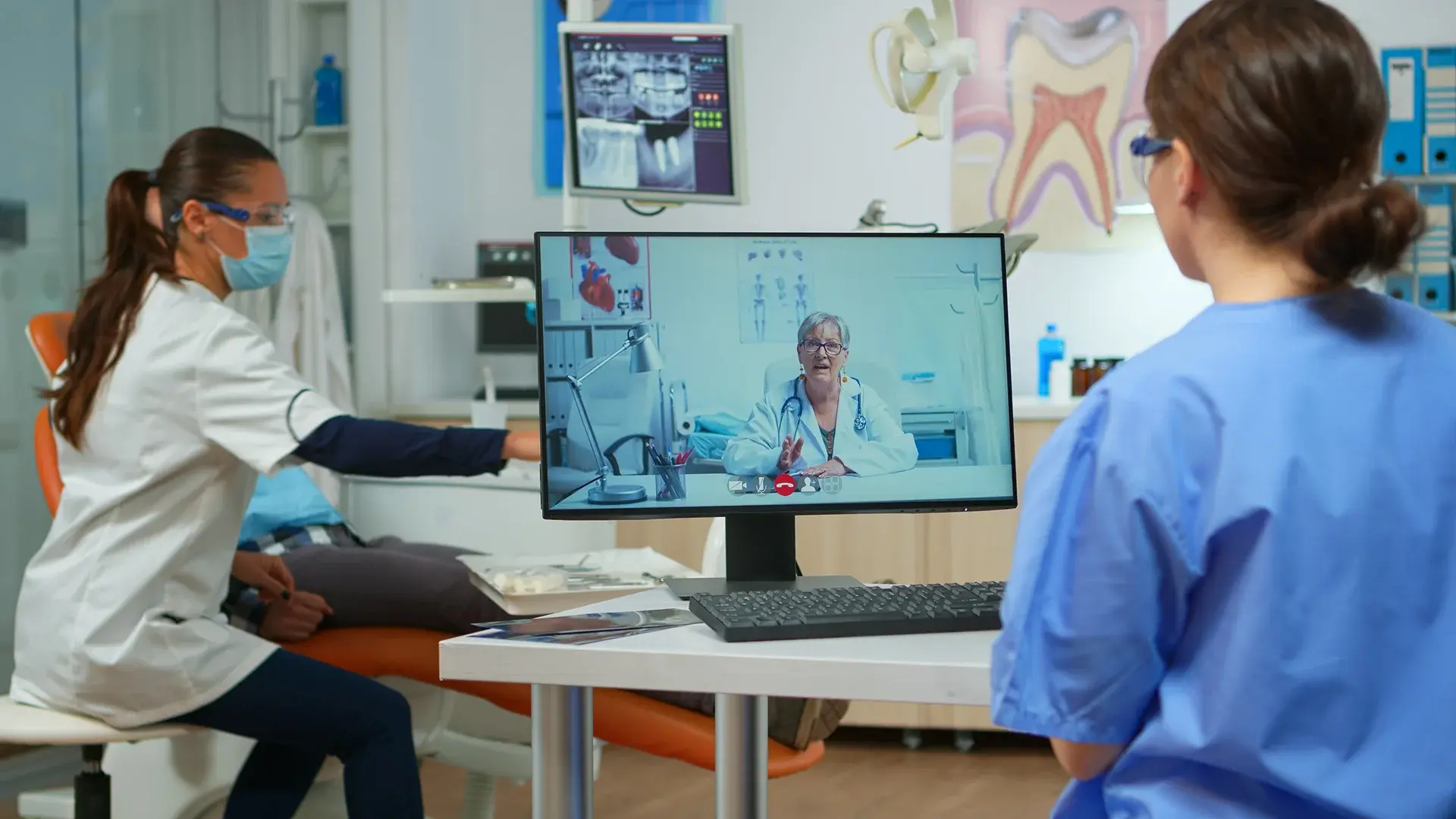
Healthcare organizations generate an enormous amount of video. Telehealth sessions, medical training, surgical footage, patient education clips, and internal communications all rely on secure and compliant video delivery. When this content contains PHI, even a single privacy failure can lead to costly fines, patient mistrust, damaged reputation, and regulatory investigations.
This is why consumer video platforms are not an option for healthcare. YouTube, for example, uses tracking technologies, behavioral analytics, cookies, and personalized advertising systems that collect user interaction data. These tracking practices violate HIPAA because they can expose viewing behavior linked to patients, staff, or clinical content. Healthcare providers cannot control how YouTube stores, processes, or uses the metadata generated from video interactions. Even unlisted videos remain subject to Google’s data collection model, which makes them noncompliant for hosting or sharing any content that could involve PHI.
The consequences of using noncompliant platforms are serious. Healthcare entities can face significant penalties, breach notifications, legal action, and long-term reputational damage. To avoid these risks, organizations must choose secure healthcare video hosting platforms built for protected content, encrypted delivery, access governance, audit logging, and strict privacy controls.
This guide explores the top secure healthcare video hosting platforms that meet the requirements of HIPAA, offer strong security, and support the growing demand for telehealth, clinical collaboration, and medical training.
Key Features to Look for in HIPAA Compliant Video Platforms
Choosing a HIPAA compliant video platform requires more than basic security controls. Healthcare organizations must ensure that every part of the video workflow protects PHI and meets regulatory standards. The following features are essential when evaluating platforms for clinical recordings, telehealth content, training videos, or any media that may contain patient information.
1. Encryption for Storage and Streaming
The platform must protect PHI through encryption at rest and encryption in transit. This ensures that video data cannot be accessed or intercepted during upload, playback, or storage.
2. Access Controls and Role Segmentation
HIPAA requires strict control over who can view or manage PHI. A compliant platform should allow granular permissions, department-level access rules, and identity-based restrictions through SSO or MFA.
3. Detailed Audit Logs
Audit logs record every action taken on sensitive video content, including logins, views, downloads, and administrative changes. These records are essential for HIPAA compliance and breach investigations.
4. Secure Sharing and Protected Links
PHI must never be accessible through public links. The platform should offer private, time-limited, or identity-verified sharing options that ensure only authorized staff can access clinical recordings.
5. Business Associate Agreement (BAA)
A video platform cannot be HIPAA compliant unless the vendor signs a BAA. This agreement outlines how PHI is protected, processed, and handled within the platform.
6. Deployment Flexibility
Hospitals and health systems may need private cloud or on premises deployments to meet internal IT and compliance requirements. A compliant platform should offer more than a single SaaS-only option.
7. No Tracking, Cookies, or Behavioral Profiling
HIPAA prohibits user tracking that can reveal patient identities or interactions. Platforms must avoid tracking pixels, advertising cookies, or behavioral analytics that violate privacy standards.
8. Secure Integrations With Health and Learning Systems
The platform should integrate safely with EHR portals, learning systems, clinical documentation tools, and identity providers without exposing PHI.
Top Secure Healthcare Video Hosting Platforms
Choosing a secure healthcare video hosting platform requires more than basic streaming features. Healthcare organizations must ensure HIPAA compliance, protect PHI, control access to sensitive recordings, and maintain full visibility over how video content is stored, shared, and audited. The platforms below offer the security, governance, and reliability needed to support telehealth, medical training, internal communication, and clinical collaboration across hospitals and care networks.
1. EnterpriseTube
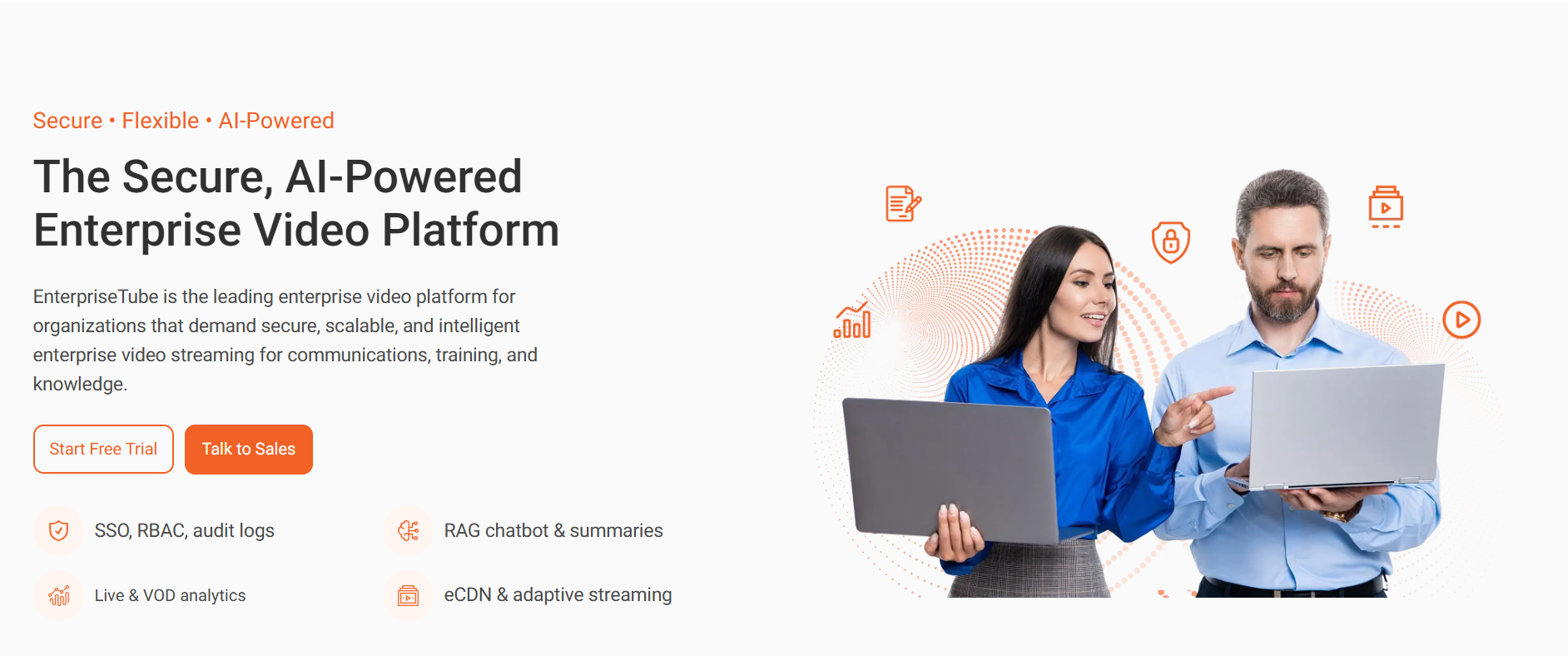
EnterpriseTube is a secure healthcare-ready video hosting platform designed for hospitals, clinics, and care networks that need protected video storage, compliant streaming, and strict control over PHI. It supports telehealth recordings, medical training content, surgical footage, internal communication, and patient education with a security framework built to meet HIPAA requirements. EnterpriseTube provides detailed access governance, encrypted video delivery, and controlled sharing to ensure sensitive clinical recordings stay within authorized teams.
Healthcare organizations can deploy EnterpriseTube in the cloud, private cloud, or on premises to meet data residency, IT policies, or compliance demands. The platform centralizes clinical video content in a structured, searchable portal, making it easier for clinicians, educators, and administrators to manage and retrieve recordings. AI features support transcription, translations, and indexing, which assist with medical training libraries and internal knowledge sharing without compromising privacy.
Key Features
-
HIPAA-ready video hosting with encryption at rest and in transit
-
Role-based access controls for separating patient, staff, and department-level content
-
Private cloud, on premises, and hybrid deployment options for protected PHI environments
-
Secure telehealth recording management and audit logging
-
AI-assisted transcription, translation, and search to support medical education
-
Integrations with healthcare portals, LMS systems, and identity providers
Best For
Healthcare organizations that require protected video hosting for clinical recordings, medical training, telehealth content, and internal communication.
Why It Stands Out
-
Designed for regulated industries that cannot risk PHI exposure
-
Flexible deployments for hospital IT, compliance, and data governance needs
-
Structured video portal for managing and organizing large volumes of clinical content
2. Brightcove
Brightcove is a widely used enterprise video platform that supports high-quality streaming for both internal and public-facing healthcare content. Healthcare organizations often choose Brightcove for patient education portals, marketing videos, community outreach, and large-scale livestreams such as virtual health events or CME broadcasts. While Brightcove is not designed specifically for PHI, it provides strong security settings that support safe hosting for non-sensitive clinical content when configured correctly.
Its reliable playback infrastructure and CDN delivery make it suitable for hospitals and health systems that need consistent video performance across multiple locations. Brightcove supports custom branded players, access restrictions, and analytics that help care teams understand viewer engagement. AI-powered tools assist with captioning and content insights, which can be useful for medical training and educational outreach.
Key Features
-
High-quality global video delivery backed by enterprise CDNs
-
Branded video players for patient education and public health communication
-
Access restrictions, including domain control, SSO, and secure embeds
-
Automated captioning with AI-supported enhancements
-
Integrations with CMS, CRM, and marketing automation systems
-
Analytics dashboards for tracking viewer behavior and engagement
Best For
Healthcare organizations that need reliable streaming for patient education, marketing outreach, live virtual events, and large-scale content delivery that does not involve PHI.
Why It Stands Out
-
Strong global reliability and playback performance
-
Professional, branded video experiences for public-facing healthcare content
-
Useful analytics and integrations for outreach and education teams
3. Kaltura
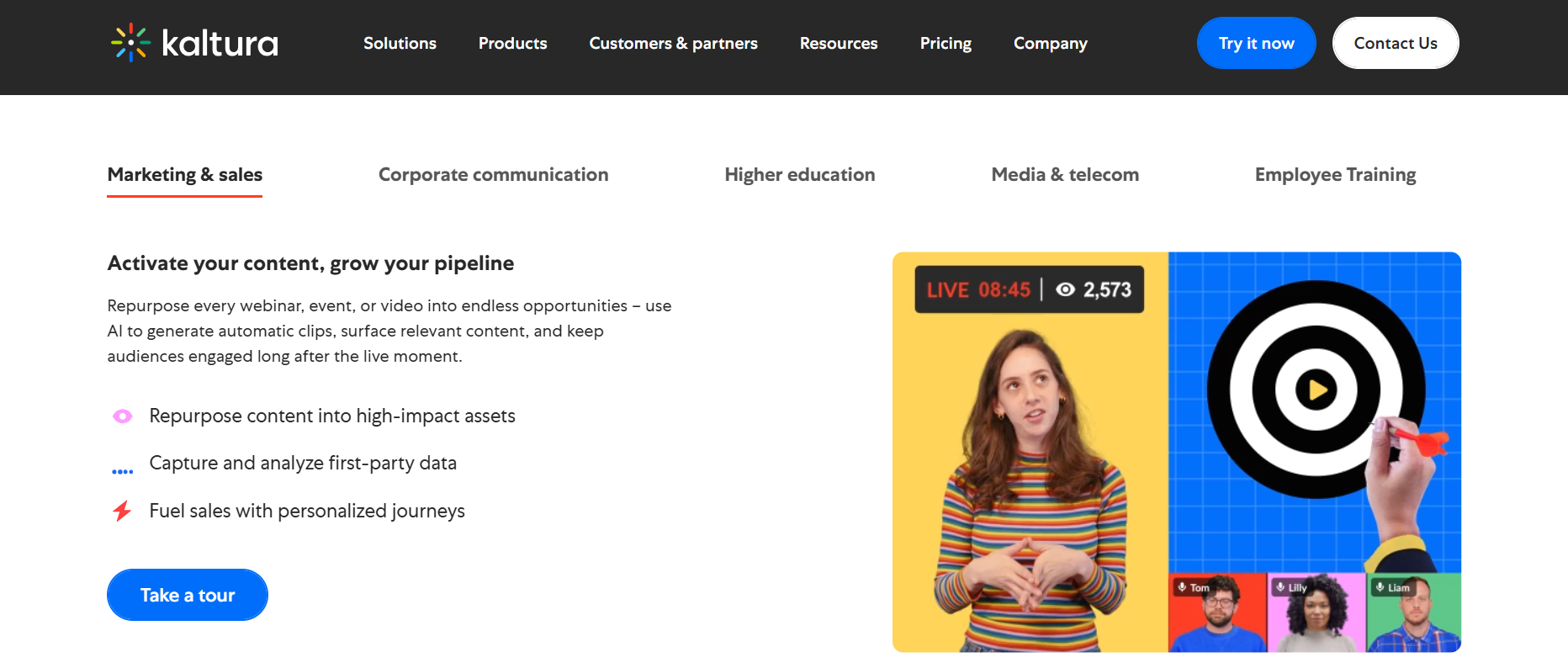
Kaltura is an enterprise video platform used in healthcare settings for training, onboarding, and internal communication. It offers a modular architecture and an API framework that allow teams to build video experiences aligned with their existing systems. In recent years, however, Kaltura has increasingly focused on SaaS delivery, and many of its newest features, updates, and enhancements are primarily designed for the cloud. Organizations that need full infrastructure control or rely on on premises environments should review this shift carefully, especially when PHI and internal compliance policies are involved.
Kaltura can support HIPAA compliance when deployed and configured under a signed BAA, but healthcare entities must closely evaluate how its cloud services align with internal IT requirements. The platform remains useful for educational content and medical training, but certain clinical workloads may require more deployment flexibility than its SaaS-first direction provides.
Key Features
-
Cloud-first architecture with optional hybrid and on premises choices
-
Video portals suitable for training, onboarding, and internal communication
-
Automated captions and multilingual transcriptions for educational content
-
Integrations with LMS, CMS, and collaboration tools
-
APIs that support workflow extensions where customization is required
-
Analytics for tracking training engagement and content usage
Best For
Healthcare organizations and medical education teams that need a structured video hub for training and learning, and can operate comfortably within a cloud-first environment.
Why It Stands Out
-
Strong presence in learning and training-heavy environments
-
Broad integration support with education and collaboration tools
-
API capabilities for organizations that require controlled workflow extensions
4. Panopto

Panopto is widely used in healthcare environments that prioritize structured learning, training documentation, and searchable knowledge libraries. Medical schools, hospitals, and clinical education teams often rely on Panopto to capture lectures, record training sessions, store procedure demonstrations, and build organized learning resources for staff development. Its interface focuses on educational workflows rather than broad enterprise video distribution, which makes it a strong fit for training departments.
Panopto offers advanced search capabilities that allow clinicians and trainees to locate specific moments within long recordings by scanning spoken words, on screen text, and slide content. It supports HIPAA compliance when deployed within an appropriate environment and under a signed BAA, but its primary strength is in its academic-style video organization rather than hosting PHI-rich clinical recordings.
Key Features
-
Advanced video search across speech, slides, and on screen text
-
Centralized, structured libraries for clinical training and medical education
-
Lecture capture tools for recording presentations, simulations, and procedural demos
-
Automated captions and multilingual transcription for accessibility
-
Integrations with LMS systems, identity platforms, and academic tools
-
Role-based access controls for segmenting training by department or job role
Best For
Healthcare organizations, medical schools, and clinical training departments that require organized learning libraries and detailed search capabilities for educational content.
Why It Stands Out
-
Powerful search that helps learners locate specific information quickly
-
Well suited for structured training and medical education programs
-
Deep integrations with LMS platforms used across healthcare education
6. Dacast
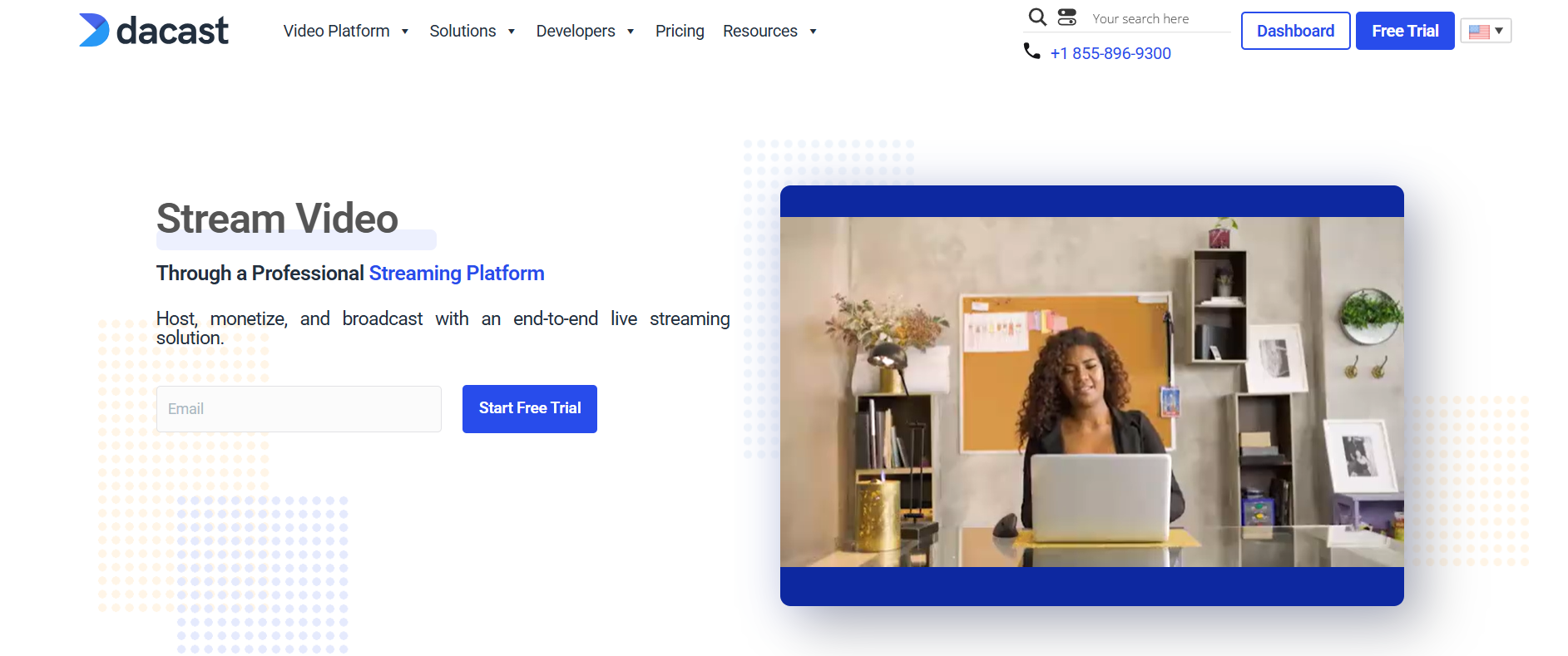
Dacast is a live and on demand video streaming platform often used by healthcare organizations for public-facing content, virtual events, health education broadcasts, and external communication. It offers reliable live streaming, paywall options, and branded players, which makes it suitable for hospitals and health systems that need to reach large community audiences or host virtual conferences. While Dacast provides strong security controls, it is not primarily designed for PHI-heavy workflows, so healthcare entities typically use it for content that does not involve patient identifiers.
The platform includes features for password protection, domain restrictions, and secure embeds, which help safeguard non-sensitive healthcare video while maintaining professional presentation quality. Its focus on high-quality streaming makes it useful for webinars, CME events, public health updates, and patient education sessions. Dacast can support HIPAA compliance when used appropriately and configured under a signed BAA, but organizations must evaluate which use cases involve PHI and plan deployments accordingly.
Key Features
-
High-quality live streaming for webinars, conferences, and health education events
-
Branded HTML5 video players for public-facing healthcare content
-
Password-protected streams, domain restrictions, and secure embeds
-
Video monetization tools for paid CME events and training courses
-
Cloud video hosting with global CDN delivery
-
Analytics dashboards for tracking viewership and audience engagement
Best For
Healthcare organizations that need a reliable platform for webinars, public broadcasts, virtual health events, and external educational content that does not contain PHI.
Why It Stands Out
-
Strong performance for large-scale live streams
-
Professional presentation and branding capabilities
-
Useful for CME events, community outreach, and public-facing video initiatives
How to Choose the Right Secure Healthcare Video Hosting Platform
Selecting a secure healthcare video hosting platform requires careful evaluation of how each solution protects PHI, supports clinical workflows, and aligns with the organization’s compliance and IT policies. Healthcare teams should assess more than just streaming quality. They must ensure that the platform can reliably safeguard sensitive recordings and integrate with existing systems across the care environment.
Confirm HIPAA Compliance and BAA Availability
A platform cannot be used for PHI unless the vendor signs a Business Associate Agreement. Review how the provider handles data protection, incident response, and shared responsibilities outlined in the BAA.
Evaluate How PHI Is Stored, Processed, and Protected
Ensure that encryption, storage controls, access rules, and system architecture meet internal compliance requirements. Some platforms are safe for patient education but not suitable for clinical content.
Check for True Control Over Access and Permissions
Healthcare organizations need granular permissions for clinicians, administrators, educators, and department-level teams. Look for identity-based controls, SSO, MFA, and role segmentation that reflect hospital workflows.
Understand Deployment Requirements and IT Constraints
Some hospitals need private cloud or on premises deployments due to regulatory, residency, or cybersecurity requirements. If a platform only offers SaaS, confirm whether it meets your IT and compliance policies.
Review Logging, Auditing, and Reporting Capabilities
HIPAA requires organizations to track who accessed PHI, when it was viewed, and what actions were taken. Choose a platform that provides detailed logs and audit trails.
Ensure No Tracking or Behavioral Profiling
Advertising cookies, tracking pixels, and behavioral analytics put patient privacy at risk. The platform must not collect user interaction data that can be linked back to individuals.
Assess Integration With Clinical and Educational Systems
Healthcare video workflows often connect to LMS platforms, identity providers, intranet portals, and training systems. Strong, secure integrations reduce manual work and improve adoption.
Consider Ease of Use for Medical Staff
Clinicians and educators need simple workflows for uploading, recording, sharing, and organizing content. Complicated platforms reduce adoption and increase support overhead.
Choosing a Secure Healthcare Video Hosting Platform
Selecting the right secure healthcare video hosting platform is essential for protecting PHI, meeting HIPAA requirements, and enabling safe video use across clinical, educational, and administrative workflows. The strongest platforms combine encryption, access governance, auditing, and deployment flexibility to support both clinical recordings and non-sensitive educational content.
As video becomes more central to telehealth, medical training, patient communication, and internal collaboration, healthcare organizations must choose a solution that aligns with their compliance needs and integrates smoothly with existing systems. Evaluating how each platform handles data protection, identity management, and user tracking is critical to avoiding privacy violations.
If your team is exploring secure healthcare video hosting options, reviewing a live demo or consulting with IT and compliance teams can help you determine which platform fits your organization’s policies and long-term strategy.
Looking to get started with a platform right away? Try EnterpriseTube today.

Key Takeaways
-
Healthcare organizations cannot rely on consumer platforms like YouTube because user tracking, cookies, and data profiling violate HIPAA privacy requirements.
-
A secure healthcare video hosting platform must support encryption, protected access, audit logs, and a signed BAA before any PHI can be stored or managed.
-
Deployment flexibility matters. Many hospitals require private cloud or on premises environments to maintain control over sensitive clinical recordings.
-
Platforms should support role-based access policies that reflect real clinical structures, including department-level permissions and identity-based authentication.
-
Training, telehealth workflows, patient education, and internal communication each require different features, so organizations should match platforms to their use cases.
-
The most reliable solutions avoid user tracking and support safe integrations with LMS systems, identity providers, and healthcare portals.
About the Author
Jump to
9 Best HIPAA-Compliant Healthcare Video Platforms for Providers

Secure Video Hosting: How to Protect Corporate Content in 2026


No Comments Yet
Let us know what you think