
by Hassaan Mazhar, Last updated: June 5, 2026
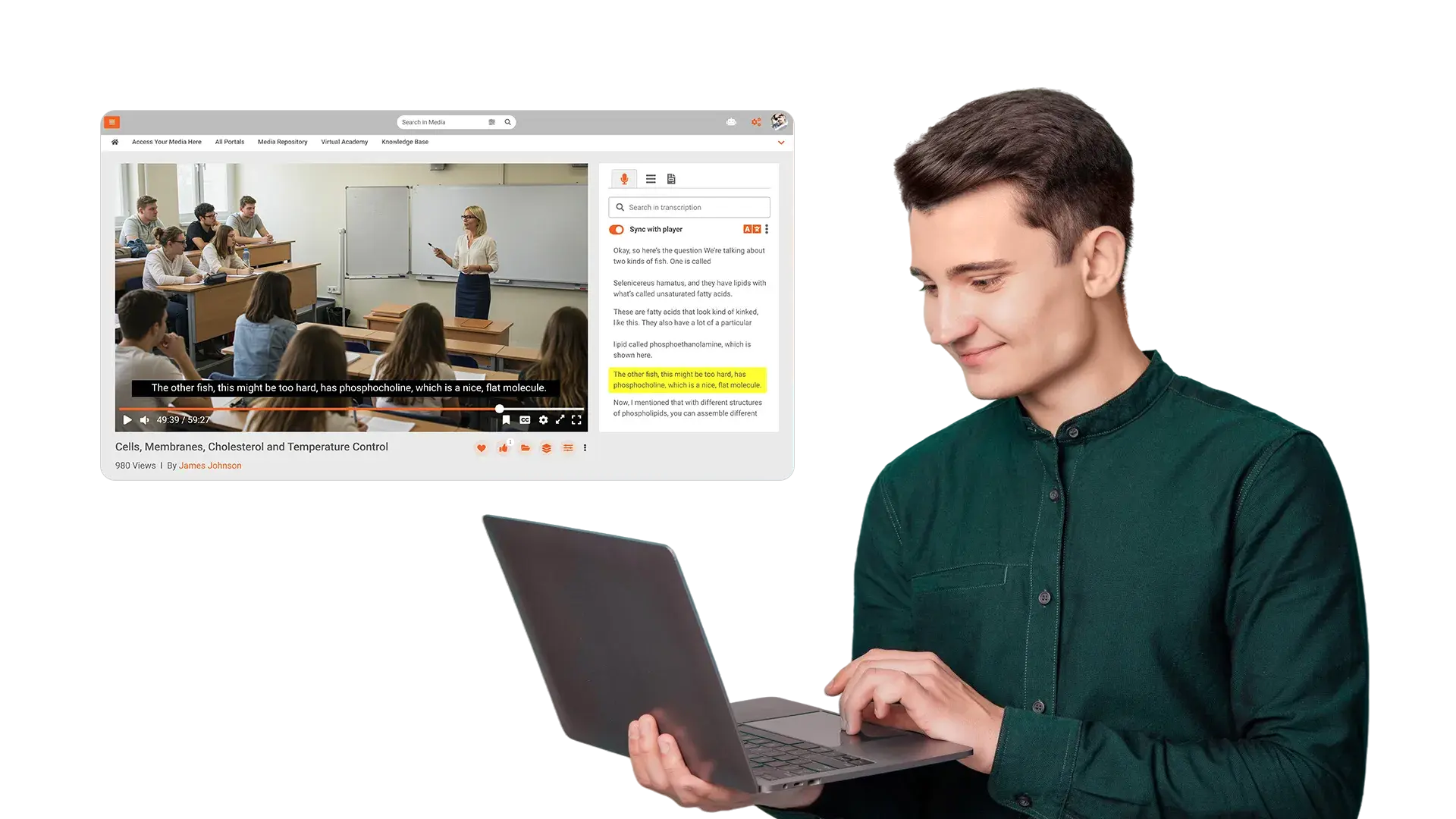
A learner in Shanghai logs into your learning platform. The course opens, the lesson loads, the quiz works. The video does not play. Everything you built renders fine, because the LMS itself is reachable. The video is not, because it streams from somewhere else entirely.
This is one of the most common surprises for education and training providers expanding internationally, and it usually surfaces after launch rather than during testing. The course worked perfectly from your office. It fails for the learners you built it for. Understanding why requires looking at where the video actually comes from, which is rarely the same place as the course.
Why the Course Loads but the Video Does Not
When a video is embedded in an LMS page, the LMS only supplies the page. The video stream itself comes from the hosting platform's servers and content delivery network. Your learner's browser makes a separate connection to that video domain, and that connection is what restrictive networks block.
This is why the failure looks so strange from the admin side. The LMS domain is reachable, so the course shell, text, and quizzes all work. The player loads and then spins or errors, because the request to the video host never gets through.
Two different kinds of firewall produce this result, and they need slightly different thinking.
National-level restrictions are the obvious case. In China, YouTube and Vimeo are blocked outright, and many Western CDN endpoints are either blocked or so throttled that streaming becomes unusable. A course that embeds YouTube videos is simply broken for learners in mainland China, no matter how well the LMS works. Similar restrictions apply in several other countries with controlled internet access, and the list of blocked platforms changes often enough that delivery plans should not assume today's situation holds.
Corporate and institutional firewalls are the less obvious case, and they affect learners everywhere, not just in specific countries. Banks, government agencies, hospitals, and many schools block consumer video platforms at the network level as a matter of policy, because the same domains that serve your training also serve entertainment. A compliance course embedded with public video links can fail inside the very organizations most likely to buy structured corporate training.
In both cases the diagnosis is the same: the problem is the video delivery layer, not the LMS.
Why Replacing the LMS Does Not Fix This
When videos stop working, the first instinct is often to blame the learning platform and start evaluating replacements. That move costs a year and solves nothing, because the new LMS will embed video from the same blocked hosts. The LMS manages users, courses, and grades, and it is doing that job fine.
The right scope for the fix is the video layer alone. The general architecture for this, keeping the LMS as the system of record and embedding a dedicated video platform into your existing LMS, is covered in detail in a separate post. What matters here is the narrower question: what does a video platform need in order to work where public platforms are blocked?
What Firewall-Compatible Video Delivery Actually Requires
"Works behind restrictive firewalls" is a claim worth unpacking, because it depends on a few concrete properties rather than marketing language.
Delivery over standard web ports. Streams should travel as HTTPS traffic over port 443, the same channel as ordinary web browsing. Firewalls that block streaming protocols or unusual ports will still pass this traffic, because blocking it would break the web itself.
A whitelistable domain. Corporate IT departments cannot whitelist YouTube without opening the floodgates, but they can easily whitelist a single dedicated video domain used only for your training content. A platform that serves everything from one controlled domain turns an impossible firewall conversation into a routine IT request.
Regional delivery presence. For national-level restrictions, the stream has to originate from infrastructure that is reachable inside the region. Delivery nodes located in or near the restricted market avoid the chokepoints that cross-border traffic to Western CDNs runs into.
Flexible deployment. The strongest option for the most restricted environments is hosting the video platform inside the network itself, through private cloud or on-premises deployment. When the streaming origin sits behind the same firewall as the learners, there is nothing external to block.
Consumer platforms fail all four tests by design. They run on shared public CDNs, serve millions of unrelated channels from the same domains, and offer no deployment choices. None of that is a flaw for entertainment. It is simply the wrong architecture for delivering required learning into controlled networks.
How to Diagnose the Problem Before Choosing a Fix
Before evaluating platforms, it is worth confirming what is actually failing. Three checks cover most situations.
First, test from the learner's network, not yours. A VPN exit in the target country or a test account from a learner in the affected region will reproduce the failure that your office connection never will.
Second, identify the domains the player calls. The browser's network inspector shows which hosts the embedded player tries to reach. If those requests go to a blocked consumer platform or a struggling CDN endpoint, you have found the failure point.
Third, separate slow from blocked. Buffering in a distant region points to a delivery and caching problem. A player that never loads at all points to a block. The first can sometimes be improved with regional caching; the second requires changing where the video is hosted.
With that picture, the requirements list above becomes a practical filter for vendors rather than a feature comparison.
Where EnterpriseTube Fits
EnterpriseTube is built for exactly this delivery problem. It supports cloud, private cloud, and on-premises deployment, which lets organizations place the streaming origin wherever their learners' networks require, including fully inside a restricted environment. Streams are encrypted and access-controlled, with data encryption and security controls suited to paid courses and sensitive training content. Videos embed directly into existing LMS course pages, so authentication and course logic stay in the LMS while playback runs on infrastructure designed for controlled networks. Playback rules, completion tracking, AI-generated transcripts, and multilingual subtitles are part of the platform's feature set, which matters once delivery is solved and the focus shifts back to learning quality for training and learning programs.
For education providers facing this issue mid-rollout, the practical test is straightforward: pilot one course with learners in the affected region and confirm playback before migrating anything else.

About the Author
Jump to
How to Enhance Video-Based Learning Without Replacing Your LMS
How Enterprises Can Stream Product Training Videos to Users in China

No Comments Yet
Let us know what you think